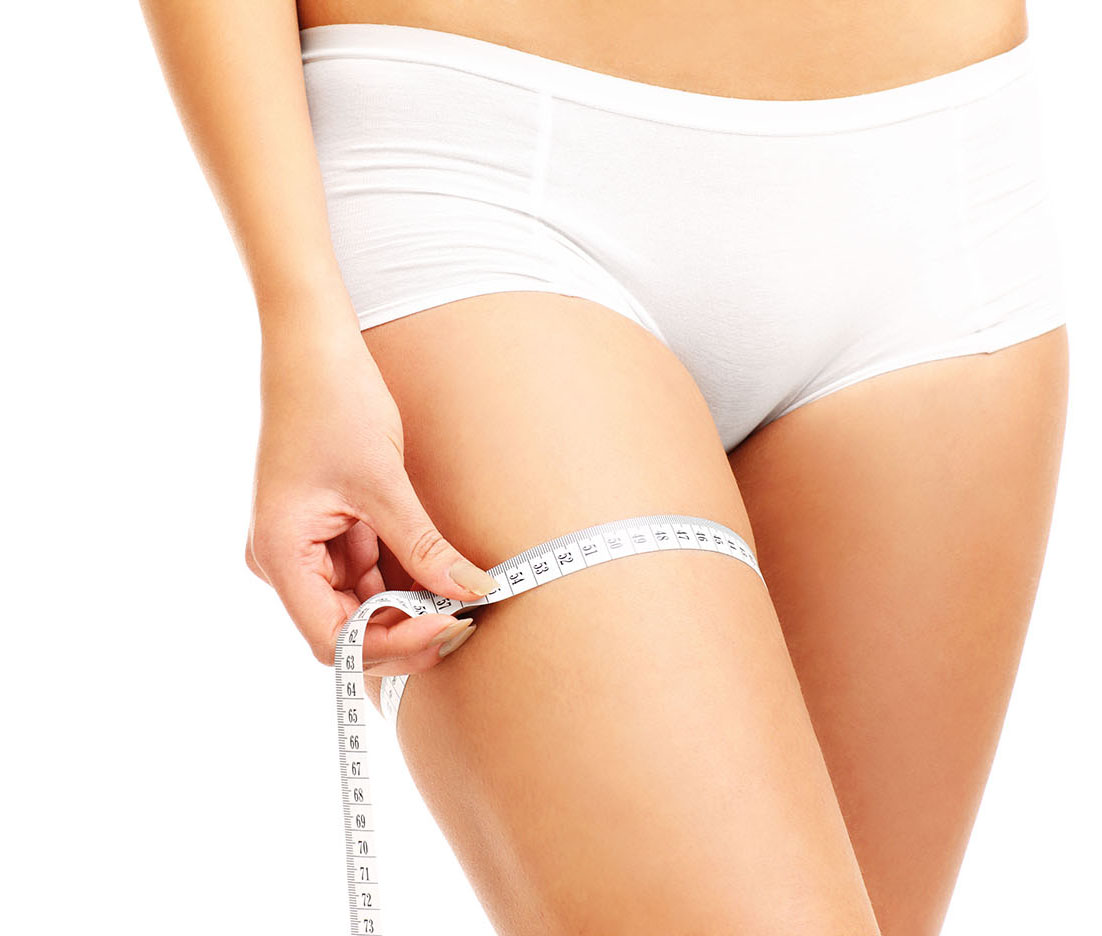
An after-weight-loss thigh lift, or thighplasty, is a body contouring procedure that removes loose, excess skin from your thighs after weight loss to restore a smoother, more defined thigh contour. Achieving your weight loss goals is a major accomplishment, but stubborn excess skin can make your transformation feel incomplete.
Dr. Joseph Michaels helps individuals finalize their weight loss journey through advanced body contouring solutions, such as thigh lift surgery. Dr. Michaels is a talented plastic surgeon and has completed one of the few fellowships dedicated to addressing the physical effects of weight loss and age-related skin laxity.
For more information, call (301) 468-5991 (Rockville), (703) 957-8610 (Fairfax), or schedule a consultation online.
Contents
About After-Weight-Loss Thigh Lifts
Significant weight loss often leaves behind stretched, loose skin that cannot fully retract on its own, particularly along the inner thighs. This lingering excess tissue can cause chafing, discomfort, and sagging folds long after the underlying fat is gone. As part of post-weight-loss body contouring, an after-weight-loss thigh lift goes beyond standard thighplasty by addressing much more extensive skin laxity. Instead of simply reducing volume, this procedure removes excess, stretched tissue and reshapes the remaining skin to create a smoother, more proportional leg contour after major weight loss. (1)
How Does Weight Loss Affect Thighs?
Although significant weight loss reduces the fat volume beneath your skin, the skin itself does not always fully retract to fit your new, smaller body contour. Post-weight-loss patients often require a more individualized body contouring approach because after prolonged stretching, skin and supporting tissues can lose elasticity, leaving loose or redundant tissue. This tissue may make the skin along the thighs look sagging, folded, or deflated, often most noticeable on the inner thighs near the groin. In more extensive cases, loose skin can extend farther down the thigh toward the knee. Beyond purely aesthetic concerns, these structural shifts can cause physical discomfort, such as rubbing, chafing, irritation, difficulty fitting into clothing, or mobility challenges. (2)
What Types of Thigh Lifts Does Dr. Michaels Perform?
Dr. Michaels generally uses two thigh lift methods: lateral and medial thigh lifts, and he will tailor his approach to the extent and location of your excess skin. A lateral thigh lift addresses skin on the outer thigh and is typically incorporated into a circumferential lower body lift. This method is especially beneficial for major weight loss patients when skin laxity affects the outer thighs, hips, buttocks, or surrounding lower body tissues.
A medial thigh lift, also known as an inner thigh lift, is a more limited method that can treat laxity concentrated along the upper inner thigh and groin area. If post-weight-loss skin extends farther down the leg, Dr. Michaels may also use a vertical extension along the inner thigh. Even if excess fat is not an aesthetic concern, Dr. Michaels performs liposuction in nearly every thigh lift to remove more skin and safely optimize thigh contour. If there is minimal skin laxity and excess fat, liposuction can enhance the contour of both the inner and outer thighs. (2)
Benefits
An after-weight-loss thigh lift performed by Dr. Michaels offers numerous benefits, such as:
- Eliminating painful friction and chafing caused by skin folds rubbing together.
- Improving mobility and making daily activities like walking, sitting, and exercising more comfortable.
- Reducing the risk of skin infections caused by bacteria and moisture trapped within skin folds.
- Creating a firmer, smoother contour that harmonizes with your overall post-weight-loss body.
- Boosting your self-esteem and confidence, helping you feel truly comfortable and like your best self again. (3)
Candidates
You may be an ideal candidate for an after-weight-loss thigh lift if you:
- Have reached and can maintain a stable body weight.
- Are in good overall health and do not smoke.
- Are bothered by excess, sagging skin and soft tissue on the inner or outer thighs that creates shape concerns, chafing, or hygiene challenges.
- Maintain realistic expectations regarding scar placement and understand that the procedure focuses on leg contouring rather than resolving conditions such as deep cellulite. (1)
Personal Consultation
During your initial consultation, Dr. Michaels will get to know you, and you will discuss your personal aesthetic goals. He will evaluate your medical history, including past surgeries, chronic conditions, current medications, and weight stability. He will also perform a comprehensive physical examination of your legs to determine the extent of skin laxity following major weight loss. Using this information, Dr. Michaels will then develop a comprehensive, tailored treatment plan designed for your specific needs. To set realistic expectations, he will outline key procedure details such as incision placement, recovery timeframes, potential risks, and pricing, and address any questions or concerns you may have.
To schedule your personal consultation with Dr. Michaels call (301) 468-5991 (Rockville), (703) 957-8610 (Fairfax), or contact us online.
Preparation
To achieve optimal results, proper preparation for an after-weight-loss thigh lift is almost as important as the procedure itself. After your consultation, Dr. Michaels will provide personalized preoperative instructions tailored to your health profile and treatment plan. Following these instructions is essential to maximize safety and achieve optimal results. Patients must maintain a stable weight for at least six months before the procedure. (1) When medically appropriate, Dr. Michaels may advise you to refrain from taking blood-thinning medications and to stop smoking and using nicotine products to support proper healing. You must also arrange for a trusted adult to drive you home after the procedure and stay with you during the first 48 to 72 hours of recovery.
Procedure
Dr. Michaels typically performs thigh lifts under general anesthesia. More extensive cases may require an overnight stay, but most are outpatient procedures that typically take about three to six hours, depending on the degree of treatment needed. He places incisions based on the location of excess skin. For a medial thigh lift, he makes an incision limited to the groin area; if laxity extends farther down, he extends it down the inner thigh. For a lateral thigh lift, he addresses excess tissue along the outer thigh. Because this treatment is for post-weight-loss patients, greater skin laxity often requires a longer or more comprehensive incision pattern. Depending on how the excess skin is distributed across the thighs after substantial weight loss, thighplasty may use vertical, horizontal, or combined incision techniques. (3) Dr. Michaels also performs liposuction in nearly every thigh lift to remove residual fat and create a smoother transition between treated and untreated areas. He then pulls and repositions the remaining skin to create a smoother, tighter thigh contour and close the incisions. The goal of this procedure is not to reduce thigh volume, but to remove and reshape the stretched, redundant tissue responsible for post-weight-loss sagging.
Recovery
Your recovery timeline can vary depending on the extent of your thigh lift, as some patients require more extensive skin removal. Generally, patients can expect one to two weeks of recovery downtime. After the procedure, you may experience temporary swelling, bruising, tightness, and discomfort. Dr. Michaels will provide individualized instructions for incision care, healing, and signs of possible complications. Patients can generally resume light activities within three weeks and normal activity or strenuous exercise between five and six weeks, provided they follow all post-operative guidelines. Swelling typically takes eight to twelve weeks to resolve substantially. Because the extent of surgery varies considerably for post-weight-loss patients, you must follow your personalized recovery plan to achieve optimal results. (3)
Results
Although residual swelling will initially hide the final result, you will see a change in the shape and contour of your thighs immediately after the procedure. As swelling gradually decreases over the next eight to twelve weeks, your new contours will become clearer. It is important to understand that while results can be long-lasting, they are not immune to aging or future weight fluctuations. Maintaining a stable weight and healthy lifestyle helps preserve your final result. (3)
How Much Does an After-Weight-Loss Thigh Lift Cost in NoVa and the DMV?
The cost of your after-weight-loss thigh lift depends on several factors, including the technique used, anesthesia requirements, and other details. During your personal consultation with Dr. Michaels, you will receive a comprehensive cost breakdown that accurately reflects the details of your treatment plan. For questions about payment and coverage, please refer to our contact page.
FAQ
Will an after-weight-loss thigh thigh lift remove all of my loose skin?
A thigh lift can remove a significant amount of excess skin from your thighs, but how much can be safely removed depends on where the laxity is and how extensive it is. Some patients with a wider range of lower-body laxity may benefit from additional body contouring procedures.
Will scars be visible from my after-weight-loss thigh lift?
Yes, because a thigh lift requires incisions, scars are inevitable. The length and location of your scars depend on the method Dr. Michaels uses. For patients with significant skin laxity after weight loss, a more extensive vertical incision along the inner thigh may be necessary. Although scars are unavoidable, they will become less noticeable and fade with time.
Can an after-weight-loss thigh lift be combined with other body contouring procedures?
In certain cases, Dr. Michaels may incorporate additional procedures into a thigh lift to enhance your results. After major weight loss, loose skin may affect the abdomen, hips, buttocks, and thighs at the same time. A thigh lift may be combined with other post-weight-loss body contouring procedures, such as liposuction, a lower body lift, an arm lift, or a breast lift, to enhance your results.
References
- Shrivastava P, Aggarwal A, Khazanchi RK. Body Contouring Surgery in a Massive Weight Loss Patient: An Overview. Indian J Plast Surg. 2008;41(Suppl):S114-29. Accessed September 1, 2026. https://pubmed.ncbi.nlm.nih.gov/20174535/
- Gentile P, Gigliotti S, Colicchia G, et al. Medial Thighplasty: Horizontal and Vertical Procedures after Massive Weight Loss. Journal of Cutaneous and Aesthetic Surgery. 2012;5(1):20. doi:10.4103/0974-2077.94330
- Di Pietro V, Colicchia GM, Cervelli V. Medial Thigh Contouring after Massive Weight Loss: The Liposuction-Assisted Medial Thigh Lift (LAMeT). Journal of Cutaneous and Aesthetic Surgery. 2020;13(4):305-313. doi:10.4103/JCAS.JCAS_130_18